
Get Healthy!
- Posted December 1, 2025
Tai Chi Might Equal Talk Therapy in Easing Insomnia
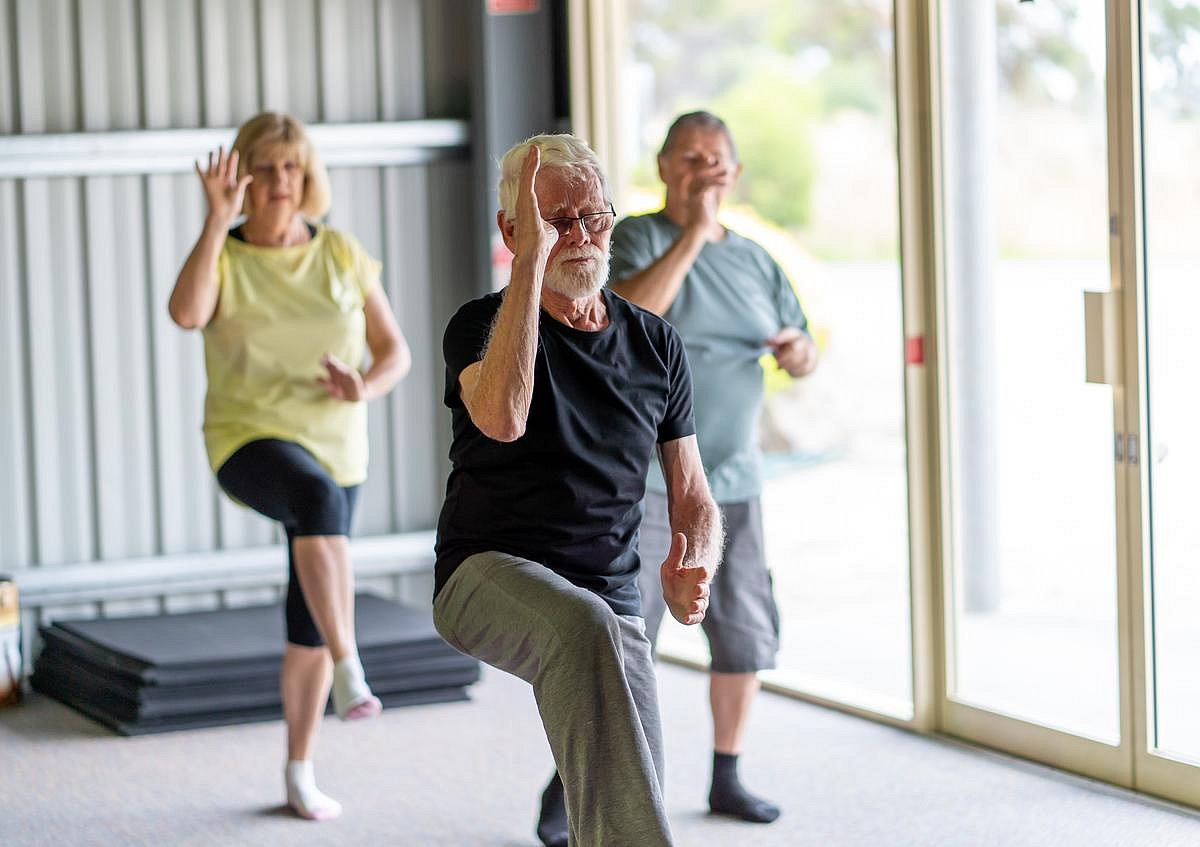
Having trouble sleeping? New Chinese research suggests the age-old practice of tai chi might help.
The study found it equalled talk therapy in helping middle aged people with insomnia regain restful slumber in the long term.
“Our study supports tai chi as an alternative treatment approach for the long term management of chronic insomnia in middle aged and older adults,” conclude a team led by Parco Sui, professor of kinesiology at Hong Kong University. They published their findings Nov. 26 in the BMJ.
As the researchers point out, chronic insomnia remains a frequent complaint among middle aged and older adults, with talk therapy -- most usually cognitive behavioral therapy (CBT) -- a common treatment. Yet access to CBT due to costs and other issues can be a challenge, they note.
Could the slow, gentle movements of tai chi also help?
To find out, Sui’s group recruited 200 Chinese adults aged 50 years and over already diagnosed with chronic insomnia.
All were able to walk unassisted and had no health conditions that might be impeding their sleep. None were shift workers, and none were engaging in any form of aerobic or mind-body exercise.
The participants were divided into two groups. One group received CBT aimed at easing insomnia. Sessions were given twice per week for one-hour for three months. The other group practiced tai chi under the same schedule.
Sui’s team used the Insomnia Severity Index to track any improvements in sleep immediately after the three-month interventions and then again a year later.
The Index adds up scores on difficulty falling and staying asleep, waking up too early, being unable to go back to sleep and their impact on daily life. A lower score is better than a higher score.
Three months after finishing the interventions, the tai chi group didn't score as well as the CBT group: An average drop in the index score of just under 7 points for those doing tai chi, versus about an 11-point drop for people getting CBT.
However, the gap narrowed with time: Another 12 months later, declines in the index score had fallen by about 9.5 points among the tai chi practitioners and by 10 points for those who got CBT, the researchers noted.
It’s possible, Sui’s group said, that tai chi’s benefits improved with time because many participants kept on with the practice after the three-month program was over.
The researchers also pointed out that tai chi is easily accessible to many.
“Tai chi is perceived as a suitable exercise modality for middle aged and older adults, even among those who are inactive or unfit,” they wrote.
The Hong Kong group concluded that “tai chi could be used as an alternative treatment approach for the long term management of chronic insomnia.”
More information
Find out more about tai chi at Harvard Health.
SOURCE: The BMJ, news release, Nov 26, 2025


